Premium Air Conditioning Services: Defeat Summer Heat With Skilled Installation & Maintenance
During the hot summer months, ensuring a comfortable indoor environment becomes necessary. Premier air conditioning services supply expert installation and maintenance, tailored to individual needs. These experts not only increase energy efficiency but also aid in preventing future breakdowns. Understanding the importance of professional services can meaningfully shape your overall comfort. What factors should one consider when identifying the right provider? Reviewing these aspects can facilitate more informed decisions.
Why Professional Air Conditioning Installation Matters
A proper air conditioning installation can substantially affect a home's comfort and energy efficiency. When performed by professionals, installation ensures that the system functions at its optimal capacity, minimizing the likelihood of future breakdowns. Skilled technicians assess the specific needs of the space, considering factors such as size, insulation, and local climate to recommend the most suitable unit. This tailored approach not only enhances air quality but also maximizes energy savings by ensuring the system runs efficiently.
Moreover, professional installation minimizes the risk of common pitfalls, such as improper sizing or incorrect placement, which can result in inconsistent cooling and greater utility bills. Moreover, experts are experienced with local building codes and regulations, ensuring compliance and avoiding potential fines. Ultimately, a professional installation creates the basis for a reliable air conditioning system, fostering long-term satisfaction and comfort for homeowners. Employing professional services is essential for achieving the best results.
Primary Benefits of Regular AC Maintenance
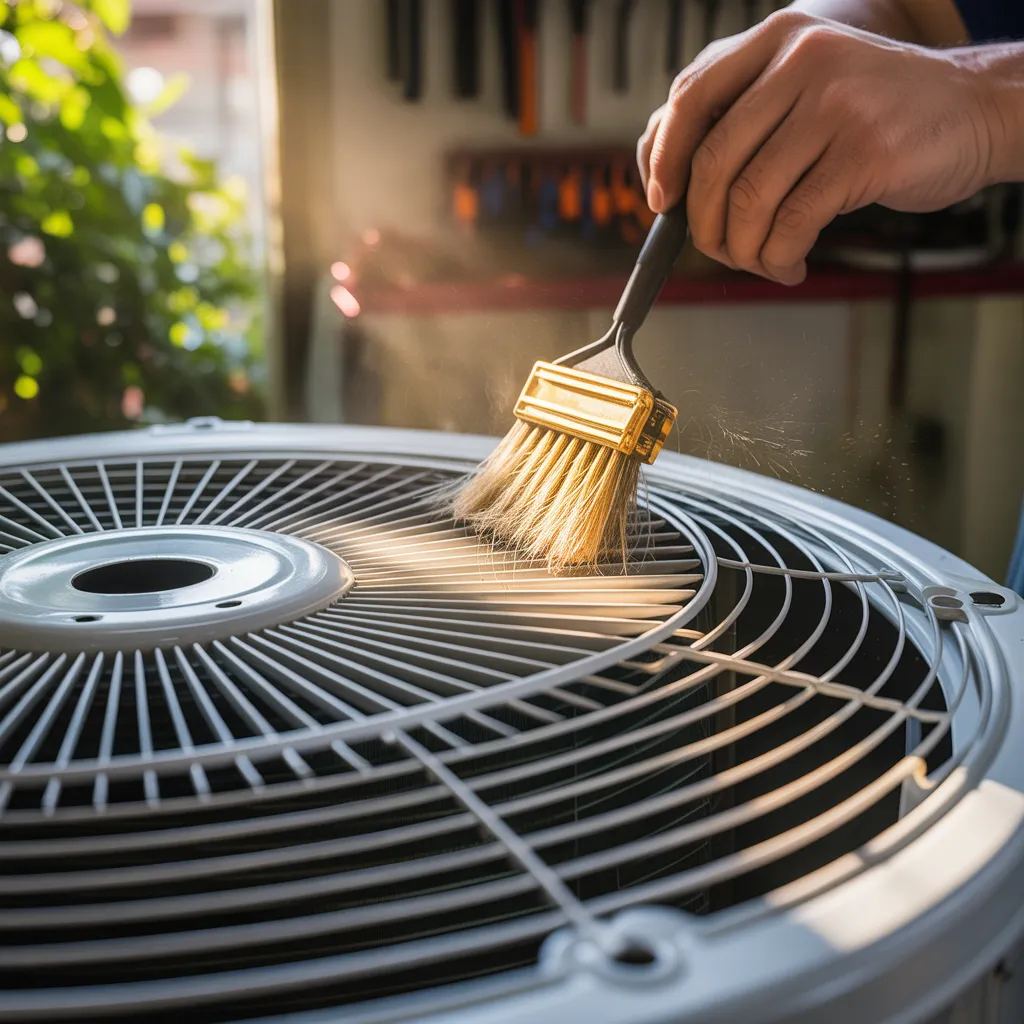
Regular air conditioning maintenance plays a vital role in maintaining optimal performance and longevity of the system. Scheduled checks and servicing can boost efficiency, leading to lower energy bills and a reduced carbon footprint. By keeping the system clean and properly maintained, routine maintenance prevents the buildup of dust and debris, which can cause malfunctions and reduce airflow.
Moreover, ongoing care can extend the service life of the air conditioning unit, postponing the need for high-cost replacements. It also aids in identifying future complications early on, permitting quick interventions that can protect homeowners from sudden breakdowns.
Moreover, a well-maintained air conditioning system runs more quietly, resulting in a more pleasant living environment. In summary, the benefits of regular AC maintenance reach beyond mere functionality, offering financial savings and enhanced indoor air quality, eventually enhancing the overall comfort of any space.
How to Tell When Your Air Conditioning Needs Repairs?
When is it time for homeowners to evaluate if their cooling system needs repair work? A number of warning signs reveal issues that deserve attention. As an illustration, if the system expels hot air when it should be cooling, it can suggest a faulty compressor or loss of refrigerant. In addition, strange sounds like squeaking or grinding can signal internal component problems that require immediate evaluation.
Home residents need to watch for unusual odors arising from the unit, which might point to mold growth or burnt wiring. Furthermore, an unexpected increase in energy bills can signal inefficiency, often resulting from a failing system. Finally, if the unit frequently switches on and off or fails to maintain a consistent temperature, it might be a sign of underlying issues. Spotting these symptoms early can help avoid more severe problems and ensure the AC works efficiently.
Guidelines for Choosing the Best Air Conditioning Service Provider
Picking the right air conditioning service provider can significantly affect the longevity and performance of a cooling system. To commence, individuals should search for recommendations from friends, family, or online reviews to evaluate the reputation of potential providers. It is vital to confirm that the service provider is licensed, insured, and experienced, maintaining compliance with local regulations and industry standards. Additionally, obtaining multiple quotes can help clients evaluate pricing and services offered, while also exposing any hidden fees.
Additionally, evaluating the provider's customer service can give valuable insights into their professionalism and reliability. A responsive business that includes maintenance plans demonstrates commitment to customer satisfaction. Finally, examine the range of services offered, including installation, repair, and routine maintenance, as a comprehensive service provider can meet varied needs efficiently. By following these recommendations, individuals can select a reputable air conditioning service provider that satisfies their specific expectations.
Why Energy Efficiency Is Important for Your AC
The energy efficiency of air conditioning systems is essential for both cost savings for homeowners and environmental sustainability. Energy-efficient AC systems use less power, leading to decreased carbon emissions, which is essential for fighting climate change. This efficiency results in considerable cost advantages, as homeowners realize lower energy bills, especially during the hottest summer months when AC usage peaks.
Moreover, energy-efficient units commonly meet the requirements for government incentives and incentives, even more increasing their affordability. Picking an Energy Star-rated unit provides superior performance and reliability, making it a smart investment. Additionally, energy efficiency leads to longer equipment lifespan, decreasing maintenance and replacement expenditures over time. By emphasizing energy-efficient air conditioning options, homeowners not only benefit from a comfortable indoor atmosphere but also contribute to a sustainable future, highlighting the necessity of making informed choices when selecting AC systems.
Key Year-Round Maintenance Suggestions for Your AC Unit
Even though many homeowners appreciate the comfort delivered by their air conditioning units, periodic seasonal maintenance is crucial to maintain optimal performance and longevity. One important task is to swap out or clean the air filters every one to three months, as this improves airflow and indoor air quality. In addition, assessing and cleaning the condenser and evaporator coils contributes to maintaining efficiency and stops overheating. Homeowners should also examine the drainage system to remove any clogs, which can create excess moisture and potential damage.
Additionally, making sure that the thermostat is performing correctly is vital for preserving preferred temperatures. As a final point, scheduling a professional inspection at the start of each cooling season can discover potential issues before they worsen. Employing these essential maintenance strategies will help lengthen the lifespan of the AC unit and boost energy efficiency, eventually creating a more comfortable living environment.
Common Air Conditioning Problems and Fixes
Routine maintenance can significantly reduce the likelihood of common air conditioning problems, but issues can still emerge even with proper care. One widespread problem is insufficient cooling, often caused by clogged filters or refrigerant leaks. Consistently swapping out filters and checking refrigerant levels can help alleviate this issue. Another typical concern is strange noises, which may indicate disconnected elements or failing parts; addressing these sounds promptly can prevent subsequent deterioration. Also, if the AC unit frequently cycles on and off, this may signal a thermostat malfunction or electrical issue, necessitating professional evaluation. Lastly, water leaks can occur from plugged condensate lines or damaged pans, potentially leading to water damage. Periodic examinations and prompt repairs are essential for maintaining optimal performance and longevity of air conditioning systems. By spotting these common problems and implementing timely solutions, homeowners can ensure their AC units operate efficiently throughout the hot months.
Understanding What to Expect During Your Air Conditioning Installation Process
Most homeowners can expect a well-organized approach during the air conditioning installation process, guaranteeing quality outcomes. Initially, a experienced technician will conduct a detailed assessment of the home, examining factors such as size, insulation, and existing ductwork. This assessment helps identify the right unit that meets the household's cooling specifications.
After the selection, the installation crew will set up the site, which may involve taking out an old unit and confirming proper electrical and plumbing connections. Then, they will set up the new air conditioning unit, following manufacturer specifications and local building codes.
Following installation, consult this source the technicians will conduct system testing to confirm proper functionality and efficiency. Homeowners can expect a walkthrough of the system's features, as well as maintenance tips to enhance system performance. Finally, any debris will be taken away, leaving the home pristine and ready to enjoy immediate cooling comfort.
Common Questions
How Frequently Should I Change My Air Conditioning Filter?
Air conditioner filters need to be replaced every 1 to 3 months, according to usage and environmental elements. Regular checks can help preserve efficiency and air quality, delivering optimal performance throughout the cooling season.
How Do I Choose the Right Air Conditioner Size for My House?
To establish the right air conditioner size for a residence, one should examine the square footage, insulation quality, ceiling height, and local climate. Usually, 20 BTUs per square foot is a typical guideline for sizing.
Am I Able to Install an Air Conditioner by Myself?
Self-installation of an air conditioner is feasible, but it needs technical knowledge and proper tools. Improper installation can lead to inefficiency or damage, so many homeowners opt for hiring professionals for optimal performance and peace of mind.
What is the Typical Lifespan of an Air Conditioning Unit?
An AC unit usually lasts between 15 to 20 years, depending on maintenance, usage, and environmental factors. Consistent servicing and quick repairs may extend its lifespan, delivering optimal performance throughout its operational years.
What Are the Signs My Air Conditioning System Is Energy Inefficient?
Signs of energy inefficiency in an AC system include exceptionally high energy bills, inconsistent temperatures, frequent cycling on and off, excessive noise, and weak airflow. These symptoms suggest the system may necessitate maintenance or replacement.